
Leaking roof help in New Jersey
Roof Leak Repair NJ
Roof leak repair in New Jersey addresses water entering through damaged shingles, flashing, roof penetrations, storm damage, or ice dams. The first step is to assess the source of the leak and determine the safest way to limit further water intrusion. The appropriate repair depends on the roof’s condition, access, and weather.
Water coming in now? Start with these safety steps.
- Leaks around chimneys, vents and skylights
- Missing or wind damaged shingles
- Temporary protection, then a lasting repair
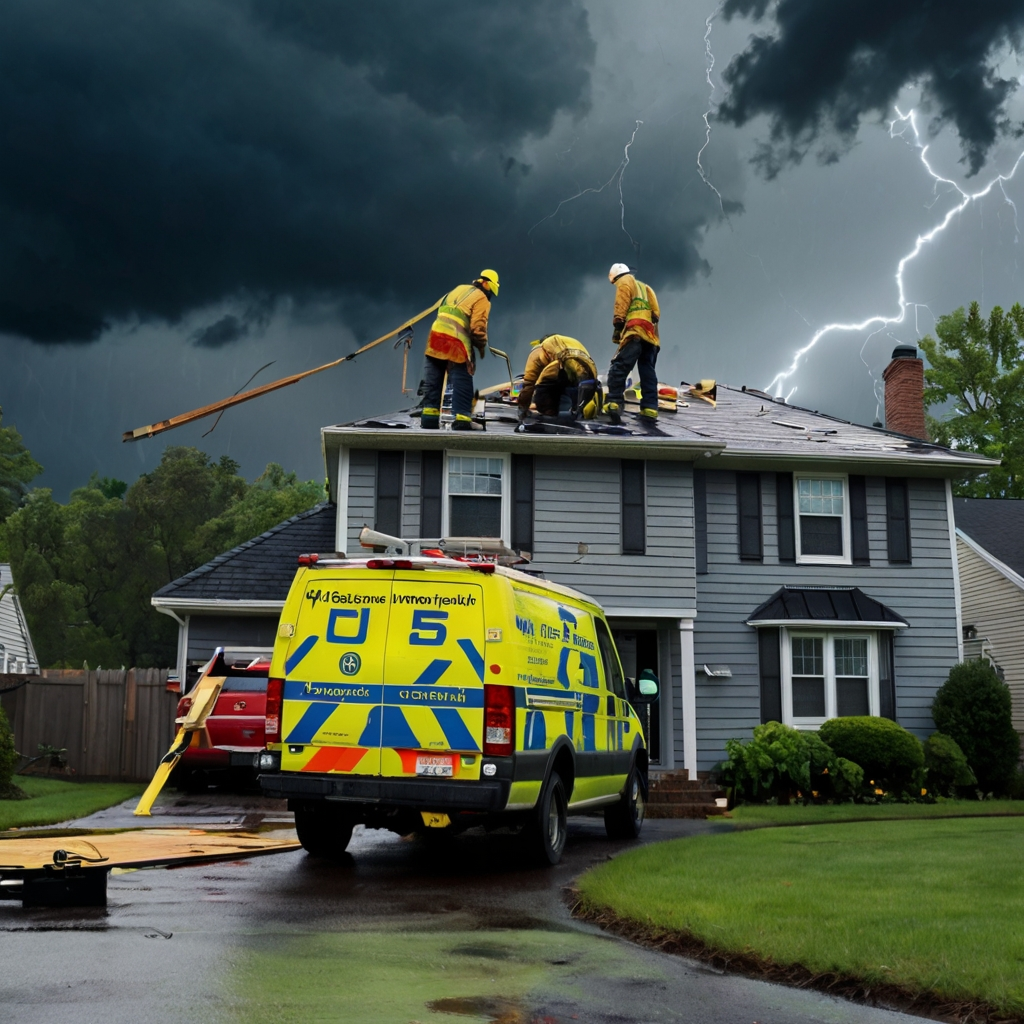
If water is coming in
What to Do While the Roof Is Leaking
Keep people safe first; belongings come second. Most leaks can be contained indoors until the roof can be looked at.
- Keep away from a sagging or bulging ceiling. It may be holding water and can give way.
- Stay clear of wet light fixtures, outlets and exposed wiring. Shut that circuit off only when you can get to the breaker box without stepping through water.
- Don’t climb onto the roof when it’s wet, icy, windy or visibly damaged.
- Don’t try to tarp it yourself in bad weather; falls from roofs and ladders are a real risk.
- Call 911 if there’s fire, sparking, a gas smell or a collapse risk.
- When it’s safe, move valuables, catch drips in buckets and take a few photos of the stain and any visible roof damage.
Common sources
Types of Roof Leaks We Repair
Water rarely appears directly under the hole. It can run along decking or rafters before it shows on a ceiling, which is why the source has to be traced on the roof rather than guessed from a photo or a phone call.
- Damaged or missing shingles Wind can lift or tear shingles, exposing the underlayment. We look for missing pieces, creases and nail pops near the wet area.
- Flashing problems Water near a chimney, wall or skylight often points to loose, rusted or poorly sealed flashing that needs resealing or replacement.
- Roof penetrations Cracked pipe boots, vents and fan housings are common sources of drips that show up away from the actual opening.
- Storm damage Branches, hail and wind driven rain can open the roof in several spots at once, so the whole slope is checked, not just one stain.
- Ice dams In winter, meltwater can back up under shingles at the eaves; the fix may involve the roof edge as well as attic ventilation or insulation.
- Worn roofing Older shingles that crack, curl or lose granules let water through in more than one place and may point to wider work.
After you call
What Happens When You Call
- We talk through the leak. Where the water shows up, when it started and what makes it worse.
- We agree the right next step. Usually an on site inspection, scheduled around safe weather.
- We explain what we find. The likely source and the repair options, with photos where helpful.
- You approve the scope and price before any work starts.
- We complete the work once it’s accepted and conditions allow.
- We tell you about any further work the roof may need, with no pressure to do it now.
Useful to Have Ready
- Where the water appears: which room, ceiling or wall
- When it started and whether it’s getting worse
- Whether rain, wind or melting snow makes it worse
- Any visible damage outside, such as missing shingles
- Interior damage: stains, wet insulation or sagging drywall
- Your address and a good time to reach you
Repair options
Temporary Protection or Permanent Repair?
Temporary protection slows water down; a permanent repair fixes the cause. During a storm or when materials must be ordered, a tarp or temporary cover can limit how much water gets in. It doesn’t fix the damaged materials, and any water that got inside before it went on still needs drying.
- Shingle repair Replacing damaged or missing shingles and resealing the surrounding area.
- Flashing repair Resealing or replacing flashing at chimneys, walls, skylights and valleys.
- Penetration repair New pipe boots, vent seals or fan housings where the old ones have failed.
- Section repair Replacing a damaged area of decking and roofing after storm or long term water damage.
Replacement only when it makes sense. If the shingles are worn out across the roof or it’s leaking in several places, we’ll explain why a larger repair or replacement may be worth considering, and you decide.
Cost
What Affects Roof Leak Repair Cost?
Every leak is priced after the roof is inspected, and you get the price before work starts. The main factors:
- Where the leak comes from and how far the damage reaches
- Roofing material and roof design
- Height, slope and access
- Damage to decking, insulation or other underlying materials
- Whether temporary protection is needed first
- Weather and safety constraints on timing
- Materials and labor for the agreed repair
Reviews From NJ Homeowners
Service area
Roof Leak Repair Across New Jersey
Our base is in East Hanover, Morris County. We take roof leak calls from homeowners across New Jersey; when we can get to you depends on location, crew schedules and the weather, so we’ll confirm that when you call.
For storm openings, fallen branches and other urgent damage, see our emergency roof repair in New Jersey page. You can also reach us through our contact page.
Questions
Roof Leak Repair FAQ
Is a roof leak an emergency?
Sometimes. Water near electrical fixtures, a sagging ceiling or an opening in the roof needs urgent attention. A small stain that only appears in heavy rain still needs repair, but can usually be scheduled.
What should I do if water is entering my home?
Stay safe, then contain the water. Keep clear of sagging ceilings and wet electrics, catch drips, move belongings when safe and call to discuss the next step.
Is it safe to tarp a leaking roof myself?
Usually not. Wet or icy shingles, wind and ladders make roof work dangerous. Leave tarping to a roofer with proper safety equipment.
What affects the cost of a roof leak repair?
The source and extent of the leak, the roofing material, access and any damage underneath. Temporary protection and weather constraints also play a part.
Can a roof leak be repaired during rain?
Permanent repairs usually wait for dry weather. Temporary protection may be possible if conditions are safe enough to work on the roof.
What information should I have ready when I call?
Where the water appears, when it started and what makes it worse. Photos of the ceiling and any visible roof damage help, along with your address.
When might a leak require more extensive roof work?
When the roof is leaking in several places, the decking is soft or the shingles are worn across the roof. We’ll explain the options and the reasons before you decide.
More answers are on our FAQ page.
Concerned About a Roof Leak?
Tell us where the water is appearing and when it started. We’ll talk through the next practical step and the repair options available.